“When the Body Speaks: What I Learned from Massaging 22 Women in 2 Days”
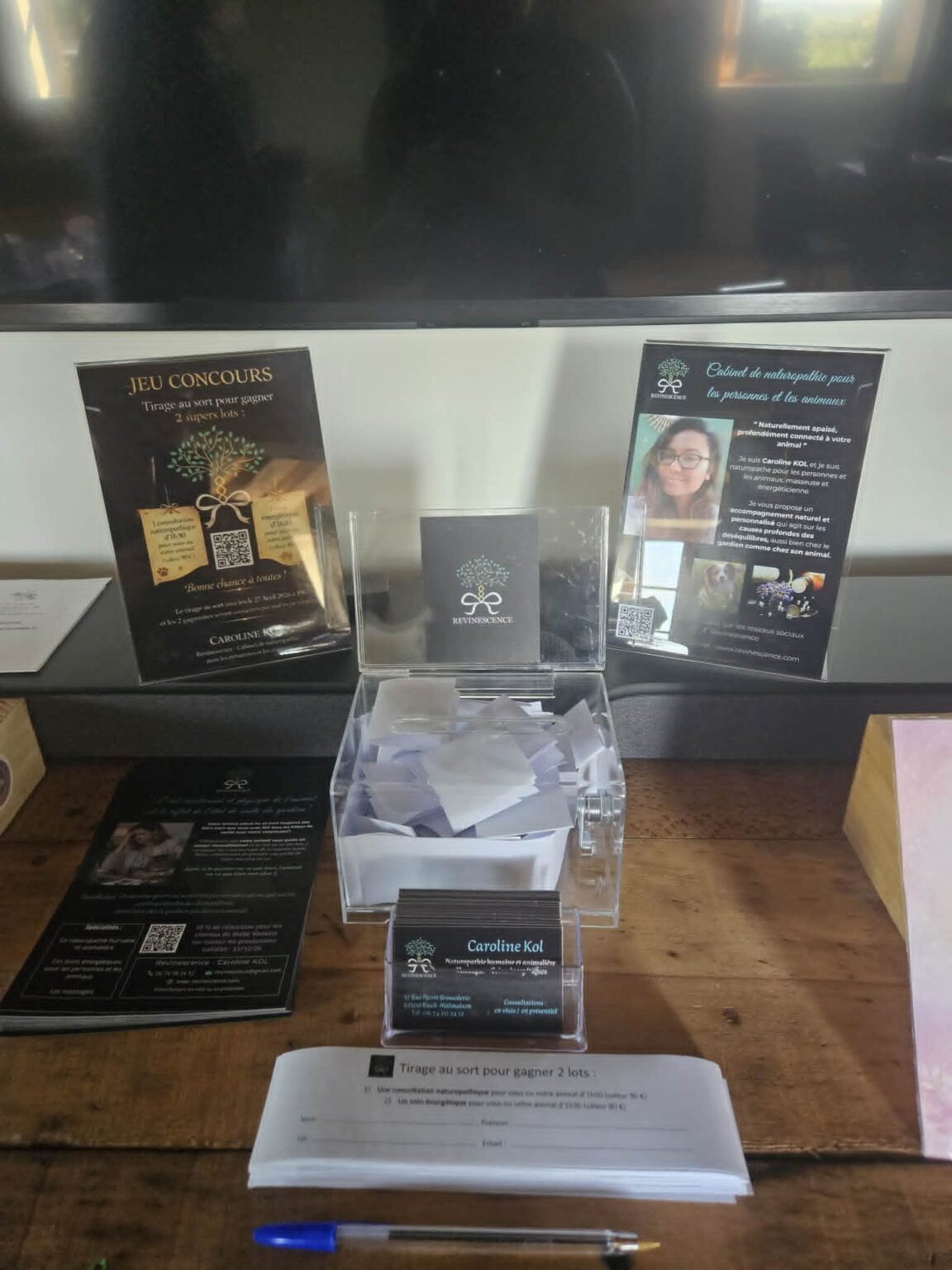
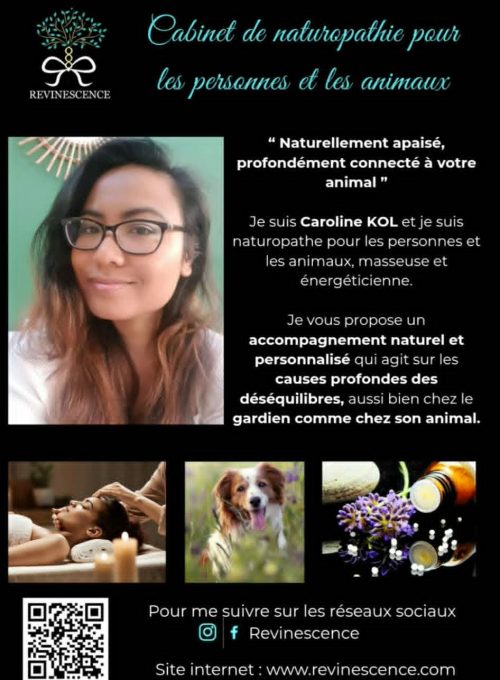
Recently, I had the opportunity to take part in a women-only wellness weekend organized by Melle Violette, near Vernon, France. I was there as a practitioner to present my work in naturopathy (for both people and animals), as well as my massages and energy treatments.
On this occasion, I led an individual care workshop reserved for participants who had chosen the premium ticket, which included a 30-minute “surprise treatment.” The concept was simple: clients didn’t know which treatment they would receive, nor which practitioner they would be with. This allowed me to offer fully personalized support, based on their needs in the moment.
Over those two days, I worked with 22 people—a first for me in such a short time frame. It was a real challenge, but also a deeply enriching human experience.
A Tailor-Made Approach
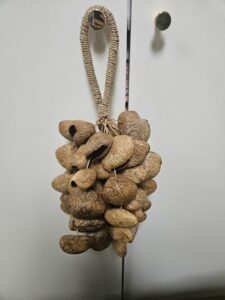
During my sessions, I mainly alternated between foot reflexology, back massage, and head massage. I liked to finish with a short sound journey using a rattle made of Kenari seeds, whose sound evokes rain, wind, or nature. This moment often adds a soothing final touch and prolongs the feeling of relaxation.
Each massage was adapted based on the conversations I had with clients at the beginning of the session, as well as what I observed: physical tension, breathing, relaxation… My main intention was to offer them a space where they could feel safe enough to relax and simply let go.
Creating a Space of Emotional Safety
In a previous article, I mentioned the importance of creating a space of emotional safety. This weekend was a very concrete illustration of that.
The women present often came with a strong need: to disconnect from daily life, lighten a heavy mental load, or simply take time for themselves during what could sometimes be a difficult period.
In this context, massage is not limited to a technical gesture. Being massaged also involves a form of vulnerability: accepting to be touched, to relax, and sometimes even allowing certain emotions to surface.
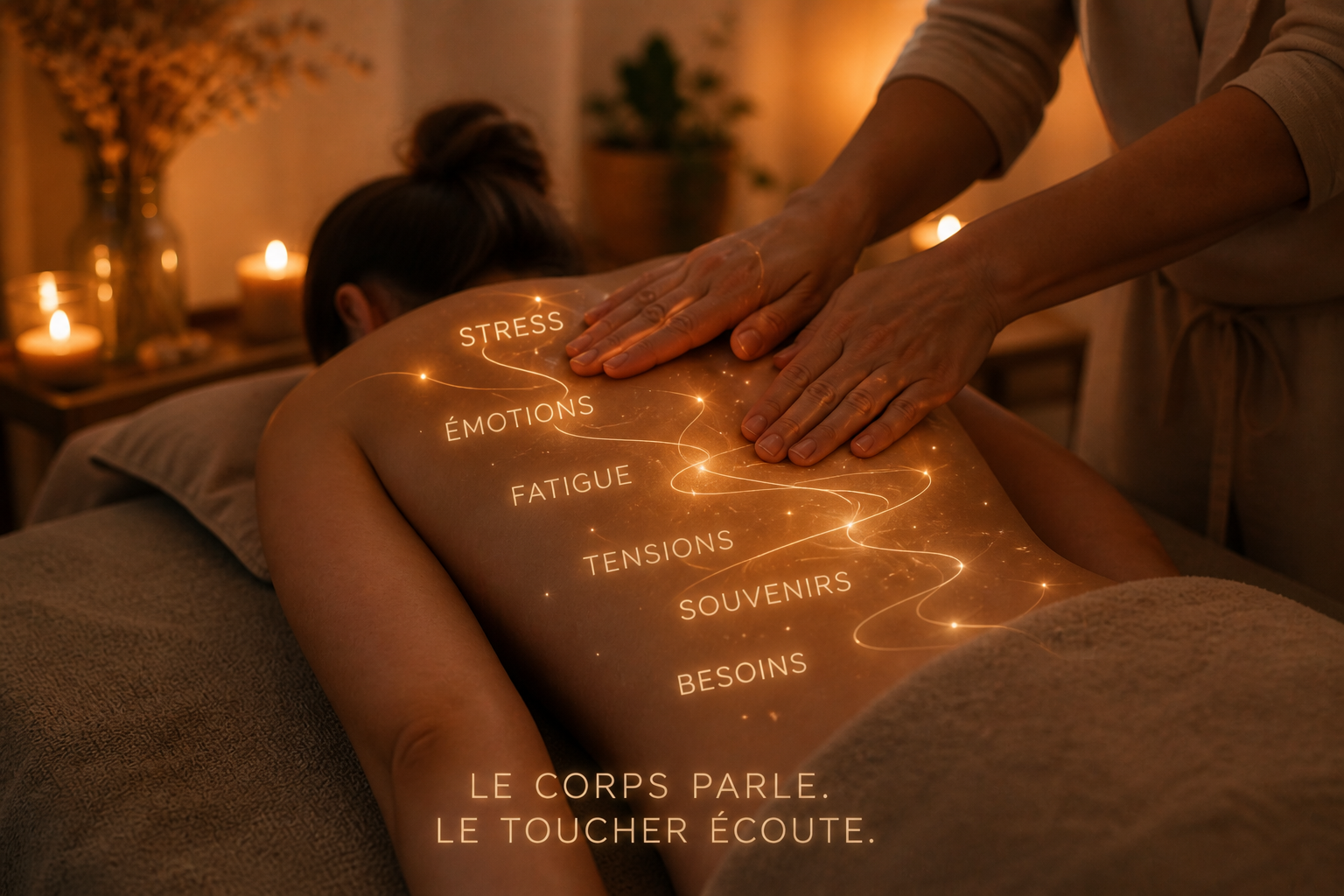
We often think that getting a massage is something trivial, but it isn’t. Undressing in front of someone and allowing them to touch you is very intimate. Through the body, I can see and feel what a person doesn’t dare to express openly. I see their wounds, their scars from past surgeries or other experiences, their tattoos—which often tell part of their story—and I feel their tensions. Because behind their smiles, there is often a great deal of suffering, and the body reflects that.
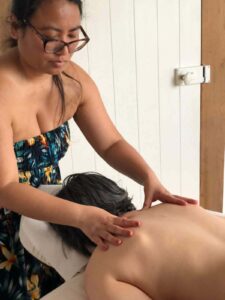
I was particularly touched by the feedback from some participants, who told me they are usually not comfortable with physical contact but quickly felt at ease with me. One client even told me that when she saw my flyer in the guesthouse lounge, she hoped she would be paired with me because I inspired trust—and she was not disappointed with the session, which truly meant a lot to me. This same client admitted she is not usually comfortable with massages, so I am especially grateful for her trust. To be honest, I was surprised to hear this, as there were no signs of tension in her body during the massage. These are precious moments that give deep meaning to my work.
Body and Emotions
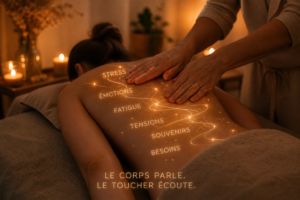
Throughout the sessions, I observed that many tensions were concentrated in the back (shoulders, neck, lower back). Some participants were not even aware of it, as these tensions had become part of their daily lives—even though it is not normal to accumulate so much tension in these areas.
Head massage seemed particularly beneficial for those experiencing mental overload. The goal was to help them slow down and return to the present moment.
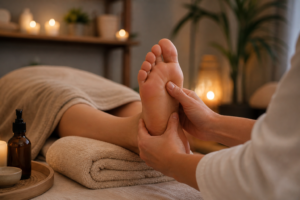
In foot reflexology, I rely on an approach where specific areas of the feet, called “reflex zones,” are stimulated. Each area of the foot is believed to correspond to a part of the body (organs, glands, muscles). By applying pressure or targeted massage, the practitioner aims to promote the body’s overall balance.
In my approach, I sometimes make connections between sensitive areas and a person’s emotional experiences, which can open up meaningful conversations during or after the session.
For example, I often encountered blockages in the trachea/throat area. When I asked my clients whether they had recently been ill, they all told me they had caught a cold and still felt something lingering in their throat. When I massaged this area, the body would slightly react, as if indicating a blockage.
Another client had a blockage in the lung area. I asked her if she had been feeling sad recently, as I sensed some sadness while massaging that area. She told me that things weren’t going well at work and that it was making her feel down.
In Chinese medicine, organs are associated with emotions—in this case, the lungs are linked to sadness. Through massage, I aim to release these blockages and, indirectly, free both emotions and speech. The body does not lie, nor does a person’s energy.
Welcoming Emotions
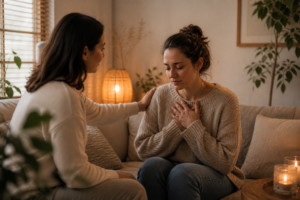
Sometimes, emotions emerge during sessions. Tears, for example, may appear. I simply welcome them, without judgment, as a form of release. Crying can be liberating and helps express unspoken emotions.
In those moments, a simple gesture—a tissue, a presence, sometimes a reassuring touch such as holding the person’s hands or even offering a hug if they are open to it—can be enough. Each person is different, and I always adapt with respect and kindness. Above all, we are human beings, and sometimes a hug is worth more than a thousand words.
A Vision of Care
For me, massages and energy healing are not just tools for relaxation. They are also ways to detect where blockages or tensions are located in the body, allowing me to better understand what is going on within the person.
They are part of a broader approach: taking care of oneself, reconnecting with one’s body and feelings, and allowing oneself a pause in a often busy daily life.
I pay particular attention to how I support each person, with the intention of caring for them as I would like to be cared for.
I treat each person’s body as something precious that has been entrusted to me. Because yes, your body, your emotions, and your energy are among the most important things in your life. They are what allow you to move forward, to accomplish many things. Your emotions are deeply intimate, just like your energy. Our emotions are connected to our body, which reacts differently depending on whether we feel sadness, joy, or anger. Our energy sustains our vitality. We must protect it and not give it to just anyone, at the risk of feeling drained or unwell afterward.
This is the philosophy that guides my work—whether with humans… or with animals, who also deserve care and attention just as much as their guardians.
Caroline KOL
How much does our body tell us about ourselves?
How much do we truly listen to what it has to say?
With respect and passion, this article revisits the foundations of a life seeking harmony between body, mind, heart, and emotions!
Thanks to the testimonies of attentive and sensitive practitioners, and thanks to the openness of clients who entrust themselves to these treatments, we can experience the profound connection that binds all living beings. We see just how much this material plane can nourish us and teach us!
I believe it is vital not to ignore our body’s signals, but rather to work with them to release tensions and knots—within the body, the emotions, the heart, and the mind…
Thank you for this loving way of taking care!